Simulation Scenarios
These scenarios were designed at Nudge Reality to support stroke and FND patients in rebuilding physical and cognitive skills. By simulating everyday tasks like washing dishes or grocery shopping, patients can practice safely in a familiar, empowering way. I was hands-on throughout: designing, coding, testing, and refining. The goal was to make patients feel capable and independent, with systems that adapt to different abilities and needs. Patients and clinicians have praised these scenarios as fun, motivating, and genuinely helpful.
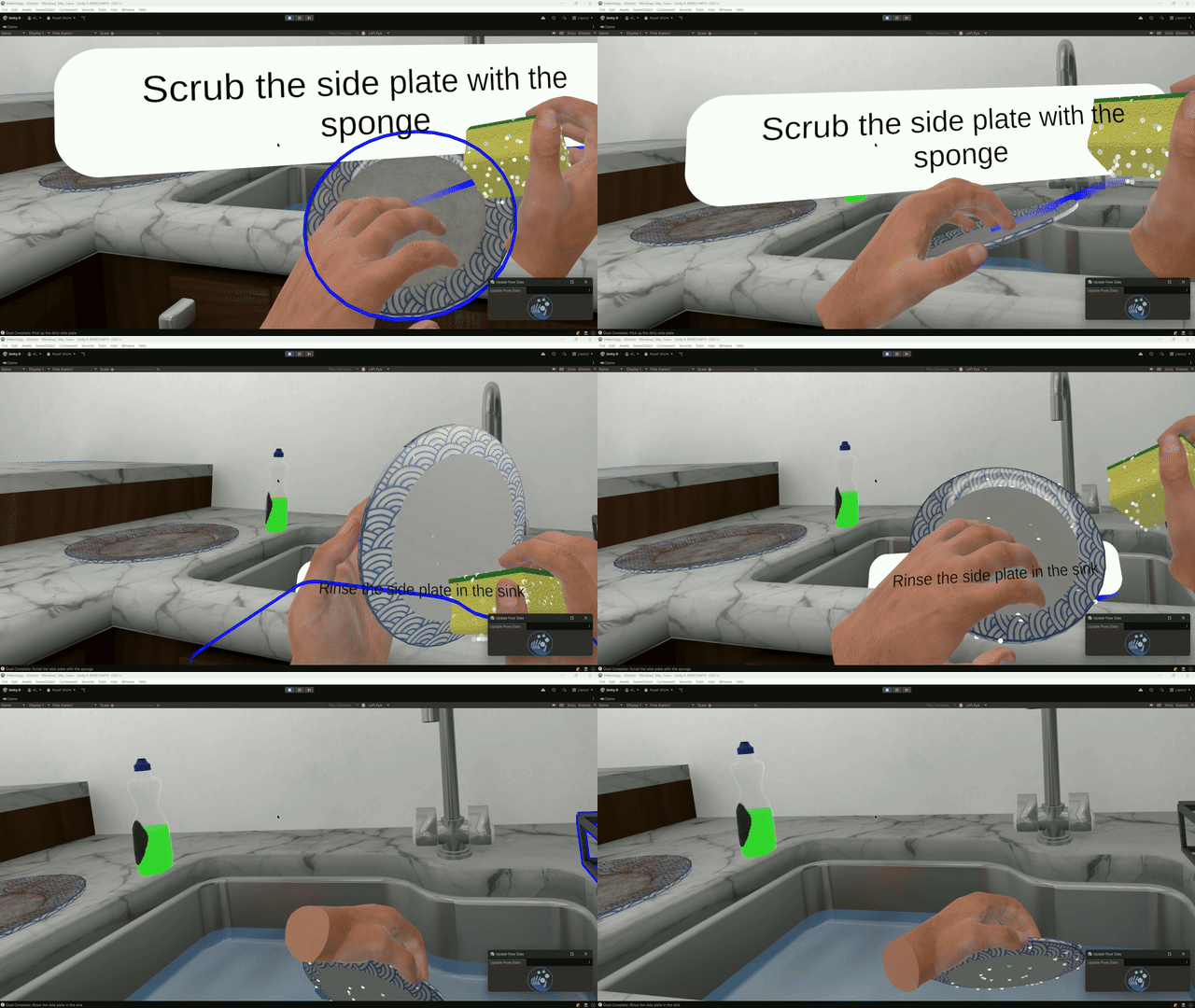
A detailed, hands-on simulation designed to rebuild fine motor skills, dexterity, and coordination through a familiar daily task. Patients wash dishes using a flexible, modular "cleanables" system I built from the ground up, which supports different tools, cleaning methods, and dynamic feedback like haptics, sound, and particles. The system uses decorator patterns and interface-driven architecture to keep it highly extensible, allowing new cleaning effects or tools to be added without rewriting core logic. It challenges patients to perform precise, repetitive motions in a safe, controlled environment, turning a simple chore into an engaging and technically rich rehab exercise.
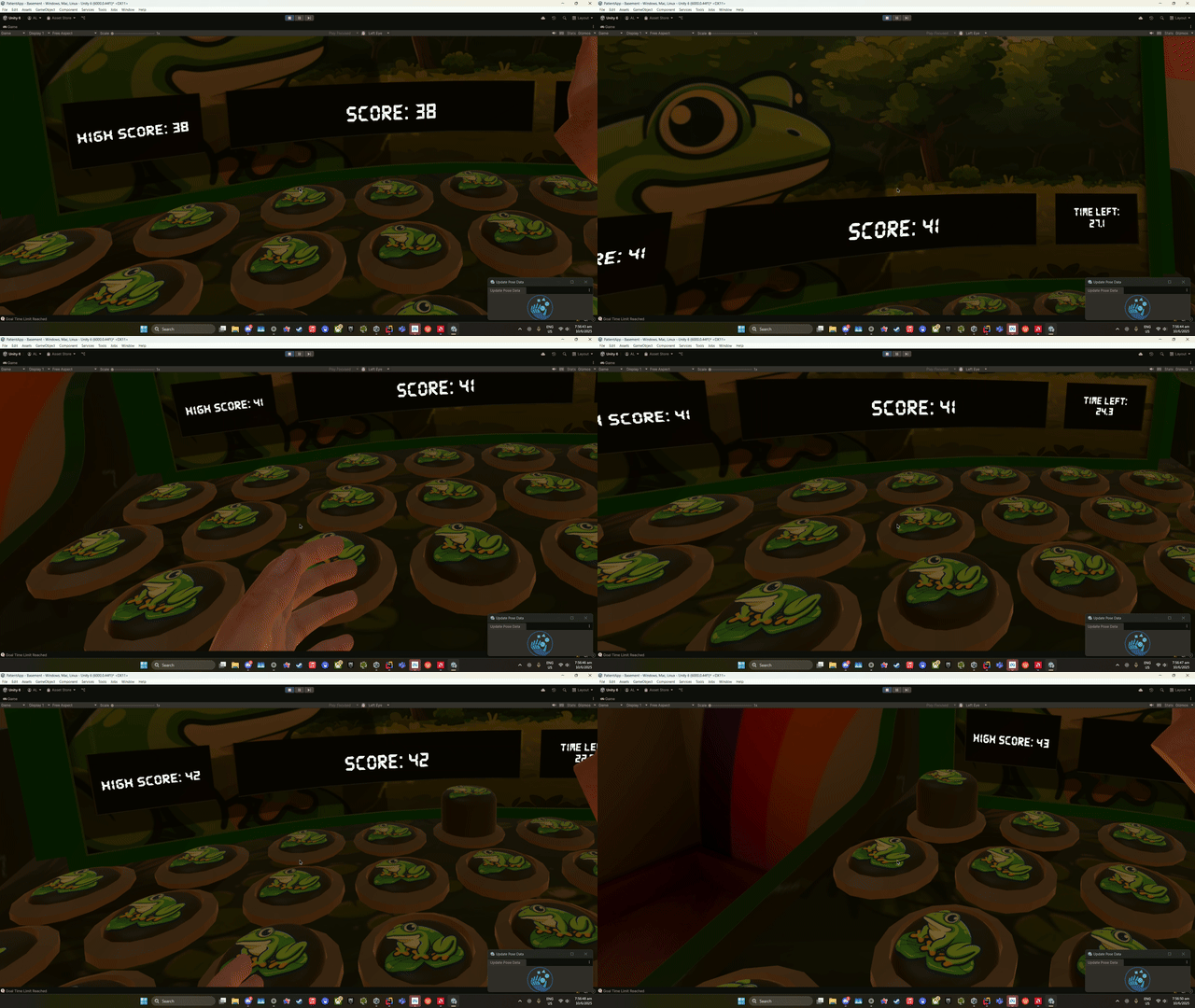
A fun, physics-driven "whack-a-mole" rehab game that turns motor practice into something patients actually look forward to. FrogSmash uses quick hits, playful feedback, and satisfying sounds to keep people moving and engaged.
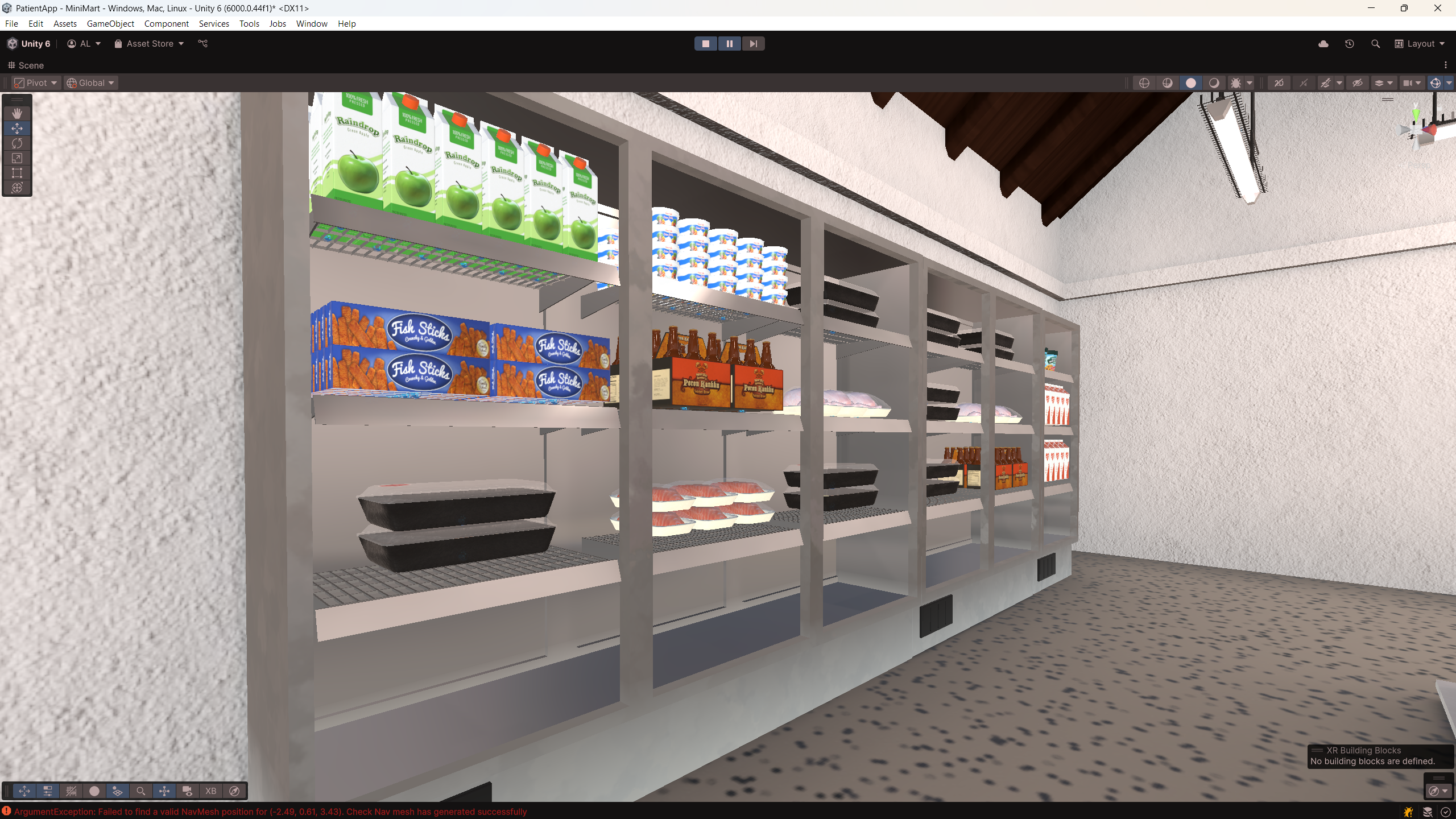
A realistic shopping trip simulation designed to help patients practice real-world tasks in a safe, guided way. Patients grab a basket, follow a dynamic shopping list, pick items off shelves, and check out at the end. The scenario challenges planning, memory, and fine motor skills while encouraging independence. The smart packing system keeps everything organized, and procedural grocery lists ensure each session feels fresh and engaging. It’s been a patient favorite for its lifelike feel and rewarding sense of accomplishment.